







Search Results for: 10 yuan pour-over coffee

Nanjing's Grandma Han's 10-yuan pour-over coffee unexpectedly goes viral, Nestlé promises free supplies and invites her to livestream
A small shop in Nanjing called "Aunt Han's Sugarcane Juice" quickly became famous online for its 10-yuan pour-over coffee. The owner, Aunt Han, brews it on the spot using three sticks of Nescafe instant coffee, attracting a large number of young people to line up and check in. Less than 48 hours after it went viral, Nescafe instant coffee sold out, and there was even a shortage of boiling water. Aunt Han said that although the coffee business is low-profit but high-volume, she has always done business honestly. As traffic poured in, the phenomenon of insincere customers skipping out on payment also drew attention. Nescafe officially responded quickly, not only changing the product promotion cover to "the same coffee as Nanjing's 10-yuan granny," but also arranging free offline supply and inviting Aunt Han to participate in a livestream. Front Street Coffee continues to follow this incident and bring readers the latest report. [more…]
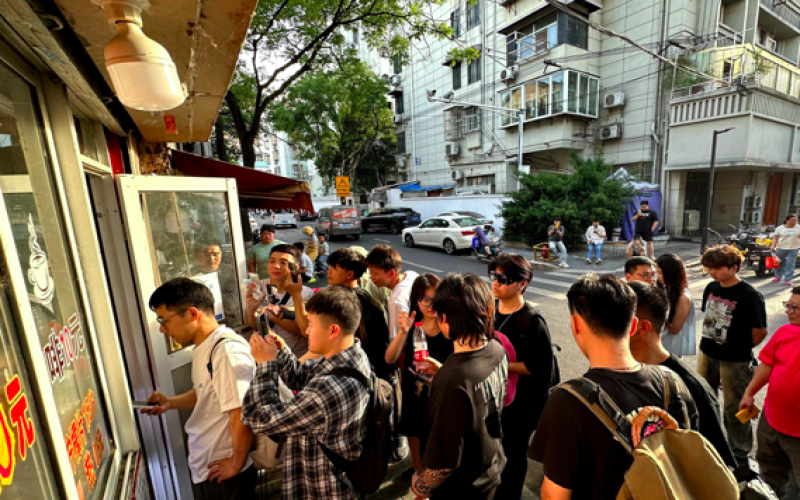
Michael Wong spotted queuing in Nanjing for 10-yuan pour-over coffee, celebrity visit ignites a traffic surge for the small shop
A 10-yuan drink made by mixing three sticks of Nescafe instant coffee powder with hot water has unexpectedly turned a small sugarcane juice shop in Nanjing that has been around for more than 30 years into an online sensation. Singer Guang Liang was recently spotted queuing outside the shop to buy one, pushing the topic onto trending searches. With the brand supplying free stock, media outlets rushing to report, and celebrities showing up to check in, why exactly has this literally "hand-brewed coffee" become a traffic magnet? Is it the appeal of good quality at a low price, or a bandwagon trend on social platforms? This article walks you through the course of events and explores the consumer psychology and coffee culture phenomenon behind it. [more…]
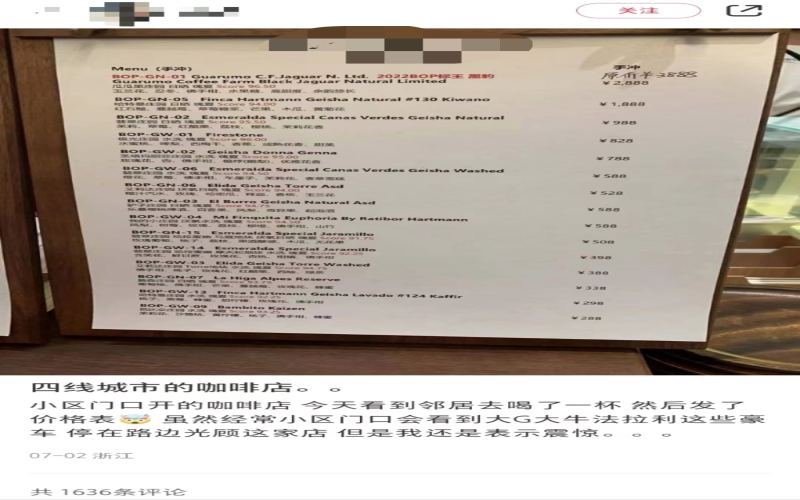
A coffee shop in Wenling, Zhejiang is charging 2,888 yuan for a pour-over, with the owner saying they use BOP auction beans, and the most expensive cup costs 3,888 yuan.
How much can a cup of pour-over coffee sell for? Recently, a coffee shop in Wenling, Zhejiang, sparked heated discussion with a hand-brewed coffee priced at 2,888 yuan on its menu, with the original price even marked at 3,888 yuan. Netizens joked, "Did they forget to mark the decimal point?" The owner responded that the high-priced beans are all BOP auction lots, and the pricing is based on international competition auction prices, not set arbitrarily. One of them, a 2021 Panama Geisha, once set a record at $2,568 per pound, and now a single cup sells for 3,888 yuan with a 10-day advance reservation required. Besides the top auction beans, the shop also offers affordable options ranging from 18 to 188 yuan, with an average spend of about 47 yuan per person. Front Street Coffee takes you behind the story of this cup of coffee that "ordinary workers don't deserve to drink." [more…]

After the hand-brewed coffee craze around Nanjing's Granny Han faded, how is the 10-yuan-a-cup business doing now?
In mid-May of this year, an elderly lady running a small shop in Nanjing unexpectedly went viral online, and young people from all over the country flocked to her, just to drink a cup of coffee she brewed herself and take a photo with her. At the height of the buzz, even celebrities came to check in, and she was invited to watch a concert. However, traffic eventually recedes, and when the crowded tide of people dispersed, the small shop returned to its former tranquility. Faced with the now quiet business, this Grandma Han did not feel disappointed; instead, she felt relieved. Her story is like the cup of sugarcane water and coffee in her shop—simple yet open-minded. This article takes you through this brief storm of attention and how the person involved calmly dealt with the ups and downs of life. [more…]
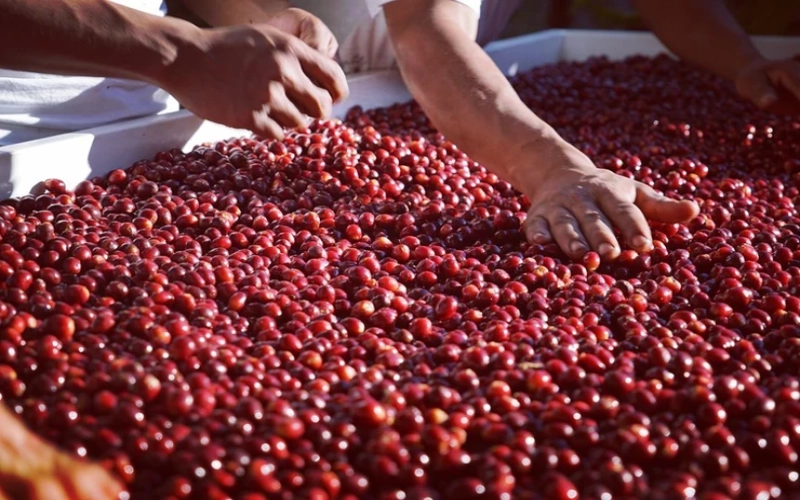
A cup of Hacienda La Esmeralda Green Tip Geisha pour-over is 60 yuan; Front Street Coffee shares the brewing parameters for ASD-processed Geisha.
Geisha coffee's value has soared since Hacienda La Esmeralda in Panama won the BOP competition in 2004, and Elida Estate's Green Tip Geisha set a new BOP record in 2018 with 94.66 points, sweeping both the natural and washed categories. This Green Tip Geisha, grown at 1,900 meters and processed using anaerobic slow-dry natural methods, what does it actually taste like? Front Street Coffee has brought it into its everyday pour-over menu at 60 yuan a cup. This article begins with the history of Geisha's rise to fame, sorts out the difference between Green Tip and Bronze Tip, explains what makes the ASD processing method unique, and includes Front Street's complete tested pour-over parameters to help you brew a cup of Elida Geisha with clearly layered floral and fruity notes. [more…]
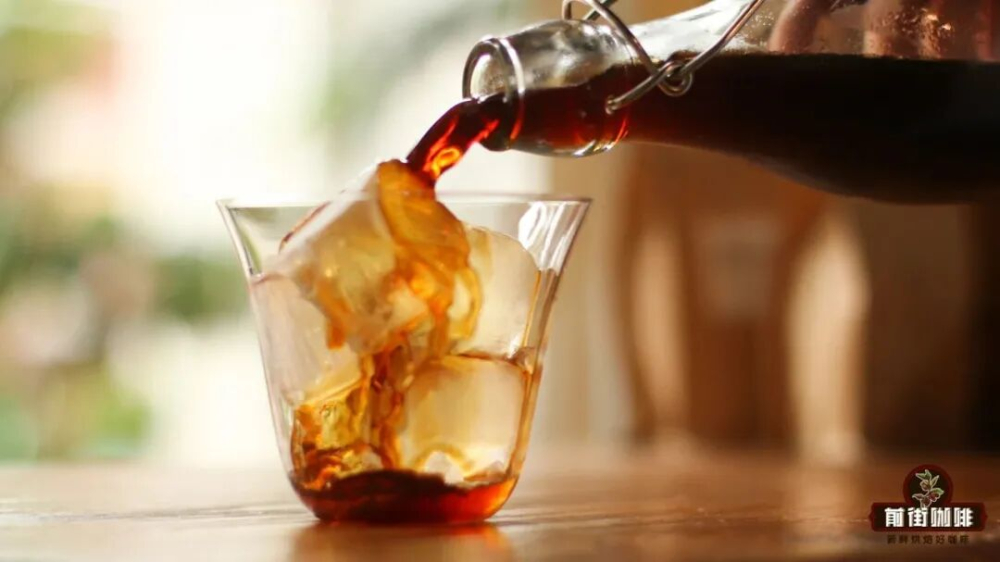
Cold Brew Coffee vs Iced Coffee | Is Cold Brew Better Than Iced Americano or Iced Pour-Over? How to Make Cold Brew at Home? An Introduction to Cold Brew Coffee Water-to-Coffee Ratio and Grind Size Parameters
I believe many friends know that although iced drip coffee, like iced Americano, iced latte, and iced pour-over, falls under the category of iced coffee, the price of iced drip coffee is always considerably higher than other iced coffees, and sometimes the portion is even smaller. For example, a cup of Americano at Front Street Coffee is 23 yuan, while a cup of iced drip coffee is 40 yuan, making the latter more expensive than the former by [more…]
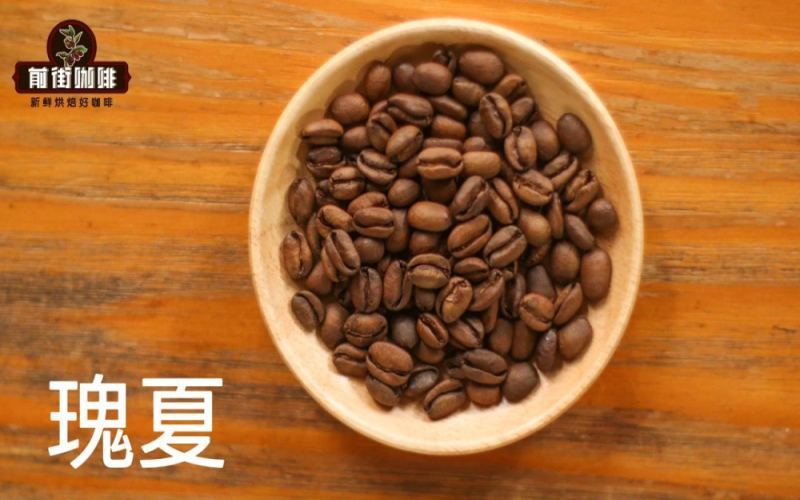
Why Is Geisha Coffee So Expensive? Explaining the Red and Green Label Grades of Panama's Hacienda La Esmeralda and Pour-Over Parameters
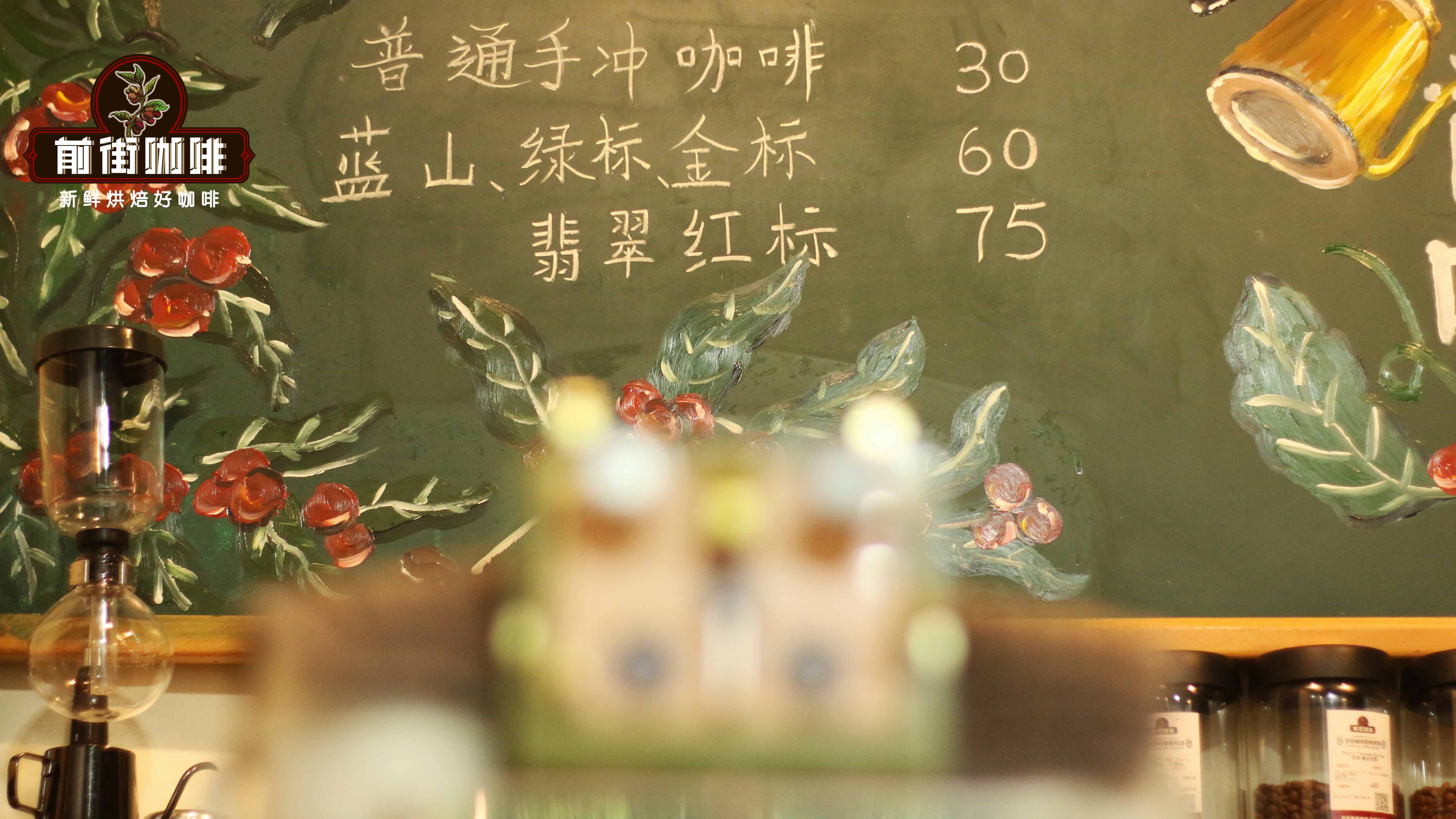
Geisha coffee is often associated with the word "expensive," consistently ranking at the top of the world's most expensive coffee lists. What justifies its high price? From varietal characteristics and terroir conditions to Hacienda La Esmeralda's discovery and promotion, Geisha's scarcity runs throughout. Panama's Hacienda La Esmeralda classifies Geisha into two grades: Red Label and Green Label, which differ in altitude, plot, cupping performance, and price. Front Street Coffee currently offers about 10 Geisha beans on its menu, among which the naturally processed Red Label is 75 yuan per cup and the washed Green Label is 60 yuan per cup. This article will systematically sort out the reasons behind Geisha's price, its grade classifications, and include a complete pour-over recipe for Front Street's Esmeralda Red Label Natural Geisha for coffee enthusiasts to reference and compare. [more…]
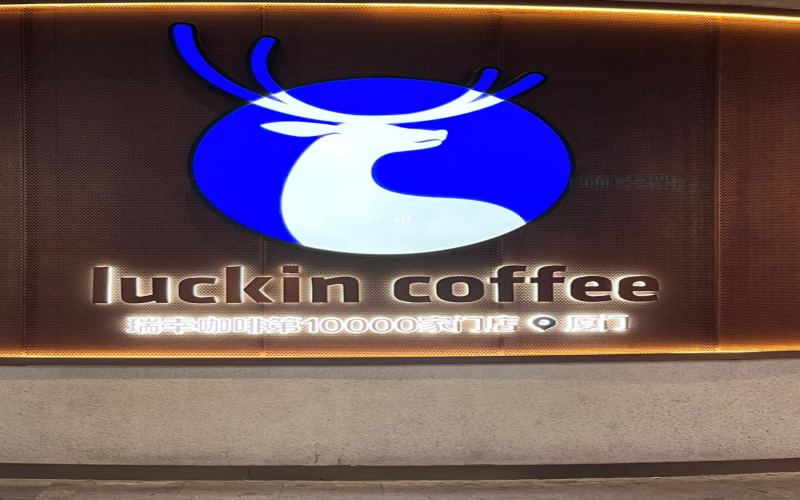
Luckin's first store trials pour-over coffee, sparking debate: can machine-made coffee be called specialty, consumers' reviews are polarized
Luckin Coffee's 10,000th store, serving as the brand's first flagship location, has launched its only pour-over coffee to date, drawing widespread attention online. However, judging from the brewing process that has been revealed, this pour-over is made by a machine simulating a champion's brewing method rather than a barista manually pouring water, and there was even a case where a clogged bed of grounds was not dealt with in time. The 20-yuan price, the rather weak flavor, and the "machine pour-over" positioning have split consumer opinion into two camps. This article will present the full sequence of events, netizens' views, and the discussion about the essence of pour-over coffee. [more…]
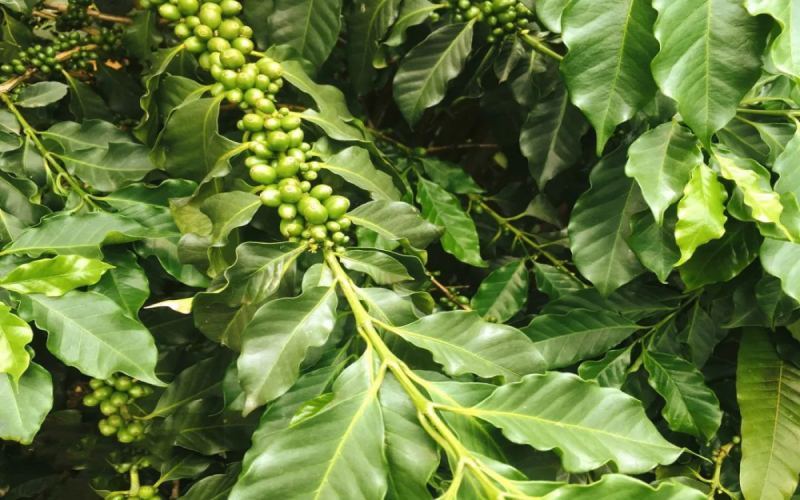
A Comprehensive Analysis of the Yunnan Dehong Coffee Region: Cultivation History, Processing Capabilities, and Pour-Over Flavor Characteristics
As one of the earliest regions in China to introduce coffee cultivation, Dehong Prefecture, with its exceptional natural conditions, has nurtured Yunnan arabica coffee of outstanding quality. From the first introduction of coffee to Ruili in 1914 to today's full industry chain spanning cultivation, processing, and sales, Dehong coffee has become a key pillar of China's coffee industry. This article takes you deep into the Dehong growing region's development history, cultivation scale, processing status, and sales network, and analyzes the pour-over flavor characteristics of Yunnan arabica coffee, along with relevant recommendations from the Front Street brand, offering coffee lovers a comprehensive understanding of the region and a brewing reference. [more…]
Blue Mountain Coffee Bean Price Range and Pour-Over Steps Explained: From Market Trends to Siphon Pot Operation Guide
How much exactly does a pound of Blue Mountain coffee beans cost? On the market, prices range from a few dozen yuan to over a thousand yuan, reflecting multiple factors such as origin, grade, and tariffs. This article reviews the price trends of Blue Mountain coffee beans and compiles reference prices for coffee beans across different sales channels. It also provides a detailed introduction to Front Street Coffee's Blue Mountain brewing methods, including specific step-by-step instructions for the French press and siphon pot, helping coffee enthusiasts extract a Blue Mountain coffee with pristine flavors and rich layers at home. [more…]
Why Is Geisha Coffee Called the Most Expensive Coffee Bean? A Full Analysis of Hacienda La Esmeralda Red, Green, and Blue Label Prices and Pour-Over Parameters
Geisha coffee has always been the unattainable dream in the hearts of coffee lovers; its elegant and refined flavors have captivated even the most seasoned connoisseurs who favor the rich, full-bodied taste of Mandheling. Just what makes this high-quality coffee so expensive? How much does a cup of pour-over Geisha cost? Front Street Coffee's Emerald Red Label Geisha freshly ground pour-over is priced at 75 yuan, while the Green Label is 60 yuan. This article will systematically sort out the varietal origins of Geisha, the Red-Green-Blue label grading system of Panama's Emerald Estate, the growing environment of Debora Estate, and the flavor characteristics and brewing suggestions for each grade of Geisha, helping readers gain a comprehensive understanding of where the value of this precious variety lies. [more…]
Top 10 Popular Single-Origin Pour-Over Coffee Beans: A Bean Selection Guide from Yirgacheffe to Blue Mountain Kenya
Coffee is an imported product. Some drink it for a touch of petty-bourgeois elegance, some rely on caffeine to stay alert, and some are purely captivated by its aroma. Today, with pour-over coffee all the rage, light-roast single-origin beans are best presented via pour-over. A basic pour-over setup—gooseneck kettle, dripper, filter paper, carafe, grinder, thermometer, and digital scale—can get you started for about 1,500 yuan, estimates Front Street Coffee. The beans used for pour-over are mostly outstanding single-origin coffees, and based on this Front Street Coffee has compiled ten popular beans for reference: from the white-floral and citrus notes of Ethiopia Yirgacheffe, to the legendary backstory of Panama Hacienda La Esmeralda Geisha, to the rum-barrel flavors of Honduras Sherry, the classic balance of Jamaica Blue Mountain, the hefty acidity of Kenya AA, the all-purpose character of Brazil Queen Estate Yellow Bourbon, the blueberry gummy candy notes of Costa Rica巨石 Estate, and the affordable way to taste Geisha—Flower Butterfly. [more…]
Sarchimor Variety Analysis: Costa Rican Coffee Bean Flavor Characteristics, Price, and Pour-Over Parameters
Costa Rican coffee is famous for its honey processing method, a technique that falls between natural and washed processing, retaining a clean cup while greatly enhancing sweetness and caramel notes. Sarchimor is a disease-resistant variety originating from a Portuguese breeding institution, with disease resistance inherited from Timor and flavor derived from Villa Sarchi, and it has considerable production in both Costa Rica and Brazil. Front Street Coffee focuses on this bean in this issue, breaking down everything from green bean characteristics and roasting curves to cupping performance, and provides specific pour-over recipes along with sweetness, acidity, and bitterness scores. It also includes a brand recommendation of 227 grams for 95 yuan, costing about 6 yuan per cup, offering outstanding value and suitable for everyday drinking. [more…]
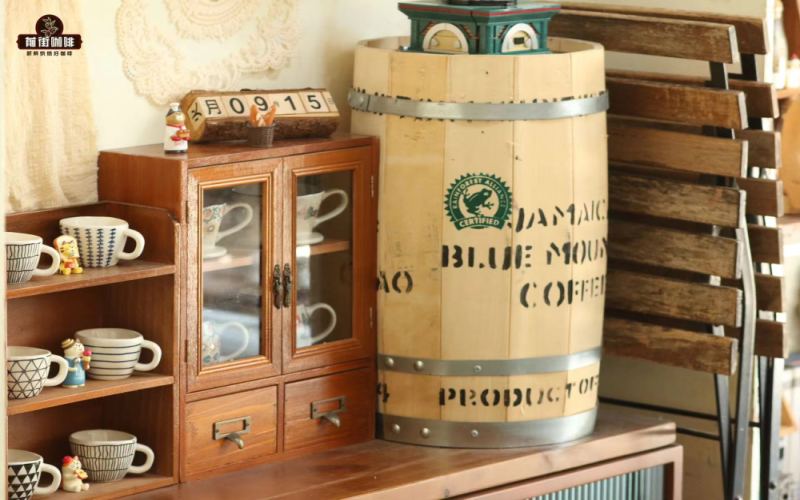
How much is a cup of Jamaican Blue Mountain coffee? A complete analysis of authentic Blue Mountain No. 1 pour-over flavor and price
Blue Mountain coffee was long regarded as synonymous with expensive coffee. In the early years, a 200ml cup of authentic Blue Mountain often cost upwards of 60 yuan, putting it out of reach for ordinary consumers. As specialty coffee culture spread globally, and the Jamaican government abolished Japan's priority purchasing rights in 2012, the price of Blue Mountain coffee gradually returned to reason. Front Street Coffee currently offers authentic Blue Mountain No. 1 coffee beans at 158 yuan/100g, with a 200ml cup of Blue Mountain coffee sold in-store for 60 yuan. This article will sort out the reasons behind the price changes of Blue Mountain coffee, its flavor characteristics, methods for distinguishing grades, and the brewing parameters recommended by Front Street Coffee, helping coffee enthusiasts gain a comprehensive understanding of this classic coffee. [more…]
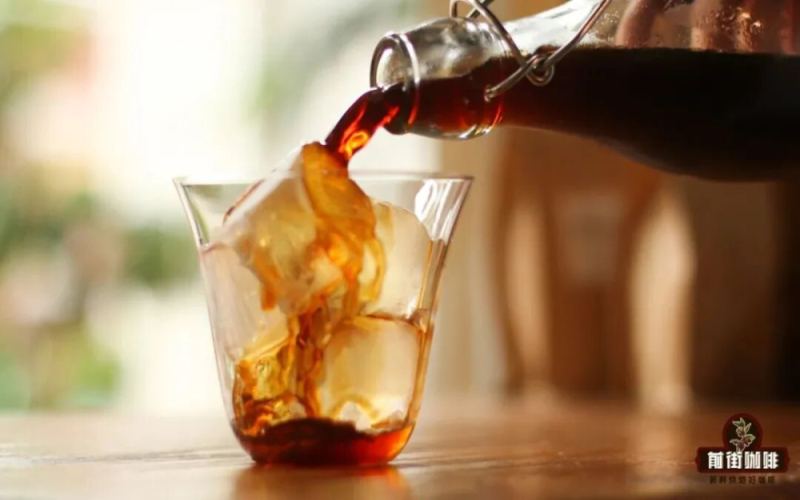
How Is Cold Brew Coffee Different from Iced Americano and Iced Pour-Over? A Complete Brewing Guide from Equipment Principles to Grind and Flow Rate
Ice drip coffee often sells for a higher price than iced Americano and iced pour-over in cafés, sometimes even in smaller portions—what is the reason behind this? Although it and cold brew both belong to low-temperature extraction, their production logic is completely different. Starting from Front Street's hands-on experience, this article will break down the four key variables of ice drip coffee—the equipment structure, grind calibration, drip rate, and coffee-to-water ratio, as well as the aging time—and provide specific parameter recommendations for light-roast and medium-roast beans. Whether you want to understand why ice drip coffee is expensive or are planning to get an ice drip pot and try it at home, this article can provide a clear operational reference. [more…]

Why Can Geisha Coffee Sell for $340 a Pound? A Detailed Look from Variety Characteristics to Brewing Parameters
Why is it that some coffees sell for 30 yuan a cup, while others can fetch hundreds of dollars per pound at auction? From the perspective of Front Street Coffee, this article breaks down the underlying logic behind the high price of Red Label Geisha by examining the variety's origins, flavor characteristics, scarcity of yield, and the rise to fame of Hacienda La Esmeralda. It also includes a tasting experience of Front Street's 30 yuan washed Geisha from the Boquete region, along with a complete set of pour-over parameter recommendations, to help coffee lovers understand the unique charm of Geisha and how to brew it in daily life. [more…]
Panama Geisha Coffee Flavor Analysis: A Complete Guide from Hacienda La Esmeralda Red Label to Pour-Over Extraction
Geisha coffee has long been regarded as the pinnacle of the specialty coffee world, and its price of tens of yuan per cup leaves many enthusiasts both curious and hesitant. What exactly makes it so expensive? How should its classic flavor be described? This article starts with the 75-yuan Emerald Red Label pour-over at Front Street Coffee, sorting through Geisha's varietal characteristics, scarce yields, and rise to fame, analyzing the grade differences between Red Label and Green Label, and fully sharing Front Street's Emerald Red Label natural Geisha pour-over parameters and three-stage extraction steps, guiding you to a comprehensive understanding of this legendary variety's flavor logic from cultivation to cup. [more…]
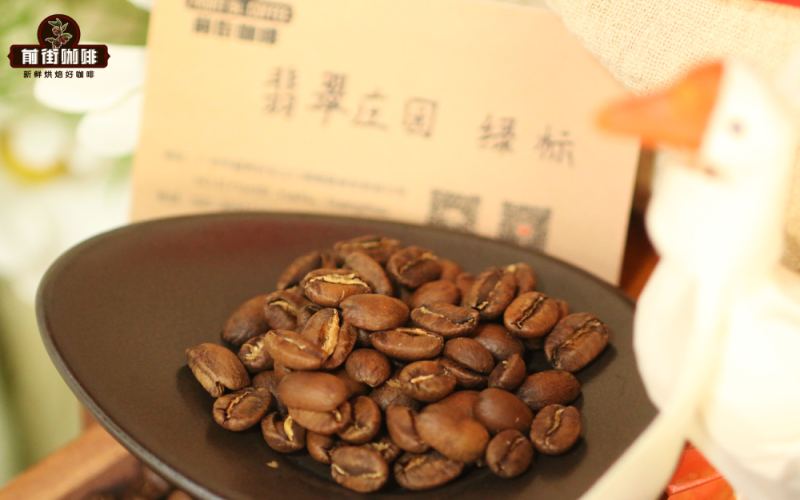
Panama Hacienda La Esmeralda Green Label Geisha Cold Drip Brewing Experience and Full Analysis of Grades
Geisha coffee has long been famous for its enchanting floral aroma and hefty price tag, and among them, the Green Label Geisha from Panama's Hacienda La Esmeralda, with its classic orange-blossom honey sweetness, has become the top choice for many enthusiasts just getting started. In this issue, Front Street Coffee will introduce the origins of the Geisha variety and the reasons behind its high price, sort out the grading system of Hacienda La Esmeralda's Red Label and Green Label, and demonstrate on site how to extract Green Label Geisha using the cold drip method. From coffee dose and coffee-to-water ratio to the dripping rhythm, and then to the white floral, orange, and blueberry flavors on the palate, this one article will help you understand the whole story of this bean and how to drink it in summer. [more…]
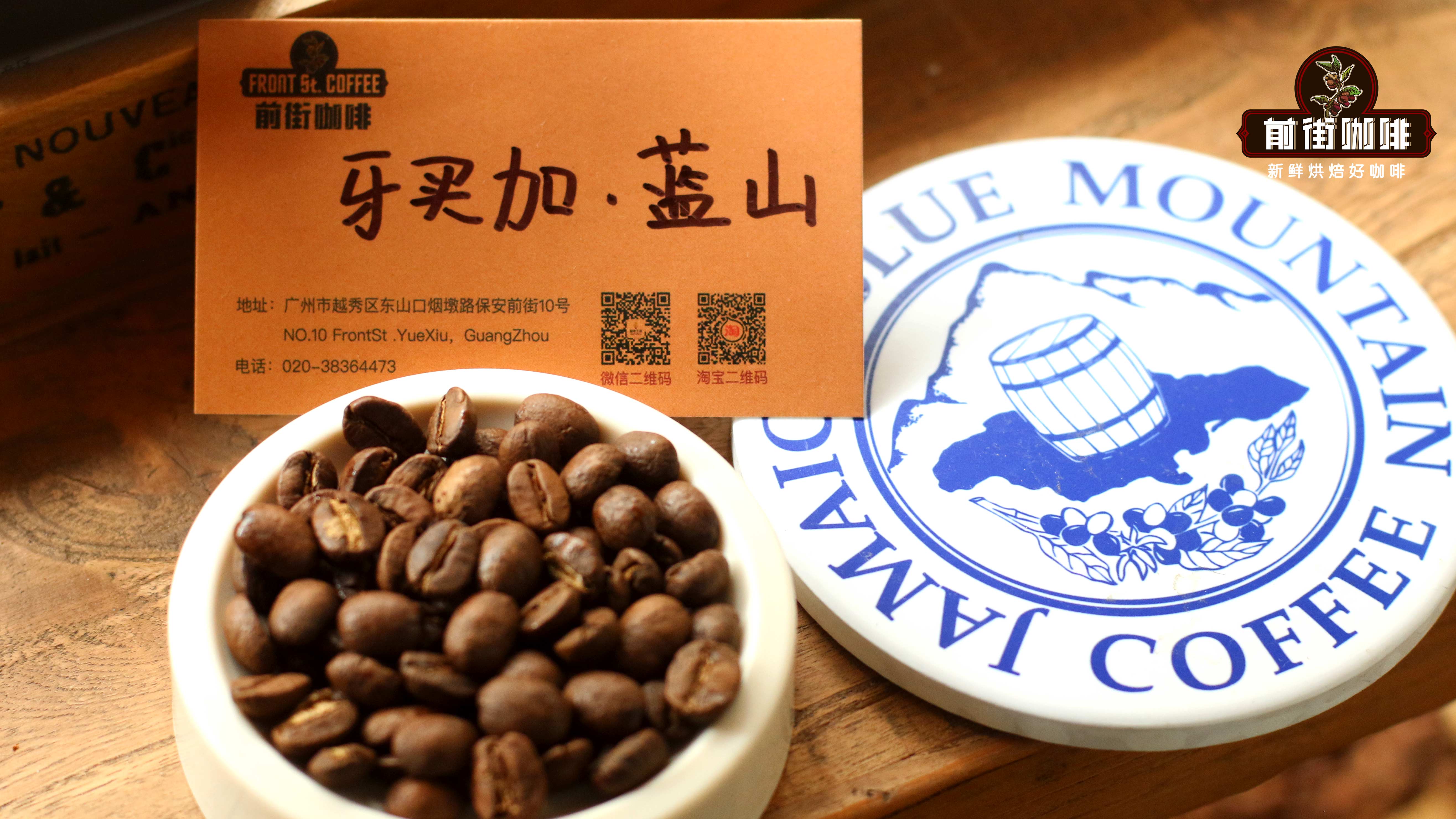
How much is a cup of Blue Mountain coffee? Can Blue Mountain flavor coffee be equated with authentic Jamaican Blue Mountain No. 1?
Blue Mountain coffee is often labeled as "expensive" and "rare," but is that really the case? This article starts with the historical background of Blue Mountain coffee, tracing the rise and fall of Japan's former priority purchasing rights and how market supply changed after that arrangement ended in 2012. At the same time, the article will clearly distinguish between authentic Jamaican Blue Mountain No. 1 and the "Blue Mountain flavor" and "Blue Mountain blend" products on the market, and introduce Blue Mountain No. 1's growing region, grading standards, and green bean certification methods. Front Street Coffee (FrontStreet Coffee) uses Clifton Estate Blue Mountain No. 1, sold at 158 yuan/100g, with a cost of about 60 yuan per cup. At the end of the article, Front Street's recommended pour-over parameters and pouring technique are also included to help readers brew a cup of Blue Mountain coffee with balanced acidity, sweetness, and bitterness, and a rich, smooth body. [more…]
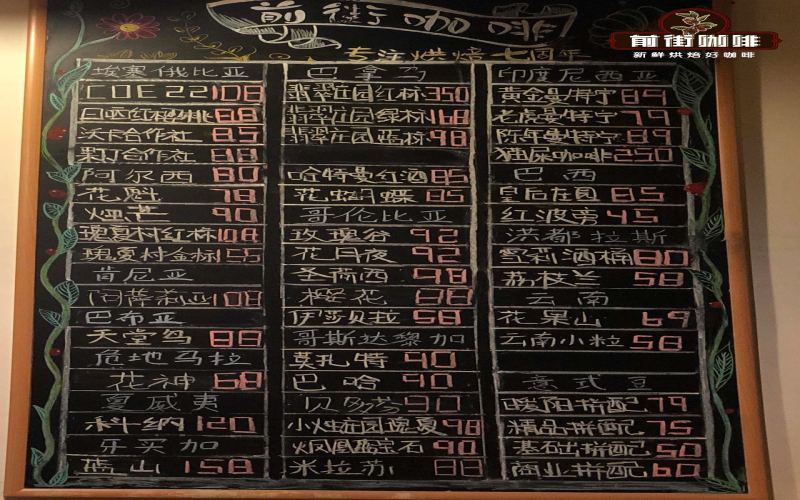
Geisha Coffee Beans from Ethiopia to Panama: A Complete Analysis of Variety Origins and the Flavor Differences Between Natural and Washed Processing
Geisha coffee has now become a top-tier star in the specialty coffee world, but did you know it did not originally come from Panama? From its discovery in Ethiopia's Geisha forests in 1931, through Kenya, Uganda, and Costa Rica, and finally to its spectacular rise at Hacienda La Esmeralda in Panama, Geisha's legendary journey spans more than half a century. Front Street Coffee stores regularly offer Red Label and Green Label Geisha from Panama's Hacienda La Esmeralda, priced from 60 yuan to 75 yuan, and one of the questions customers ask most often is what exactly is the difference between the natural and washed processing methods. This article will comprehensively trace the history of Geisha's varietal migration, explain in detail the microclimatic conditions of Panama's Boquete producing region and Hacienda La Esmeralda's three major plots, and compare the grading standards and flavor characteristics of Red Label, Green Label, and Blue Label. Finally, through actual pour-over brewing, it will present the specific differences in taste between washed Green Label and natural Green Label. [more…]